5 Spaces left going to sell out soon!
The UK’s most sought after police detection handlers and trainers.
Bovey Tracey, Devon
What the day covers
1. Imprinting. How odour recognition is established, and what goes wrong when it is rushed.
2. Building the indication. The components of a clear, repeatable response, and how to put them together in the right order.
3. Proofing. Methods that hold up whether you are working with a pet dog or an operational team.
4. False indications. Finding the cause instead of correcting the symptom.
5. Lazy indications. Recognising drift early and restoring the standard before it sets.
6. Handler bias. The ways you are cuing your dog without knowing you are doing it.
One-day Masterclass | Saturday 26th September 2026
Imprinting and Improving the Indication
A working day on odour recognition and the mechanics of a reliable indication, with the trainer who introduced digital evidence detection to UK policing.
Ten Handler Places | Bovey Tracey, Devon | 10:00 to 16:00
Most indication problems are not indication problems.
A dog that calls a find that is not there. A dog whose response has quietly gone lazy. A dog that has learned to read you instead of the odour. These faults show up in the search, but they are almost always built in much earlier, during imprinting.
This day goes to the mechanics underneath. How odour recognition is genuinely established, what a clean indication is actually made of, and how to hold that standard once you have it.
What the day covers
- Imprinting. How odour recognition is established, and what goes wrong when it is rushed.
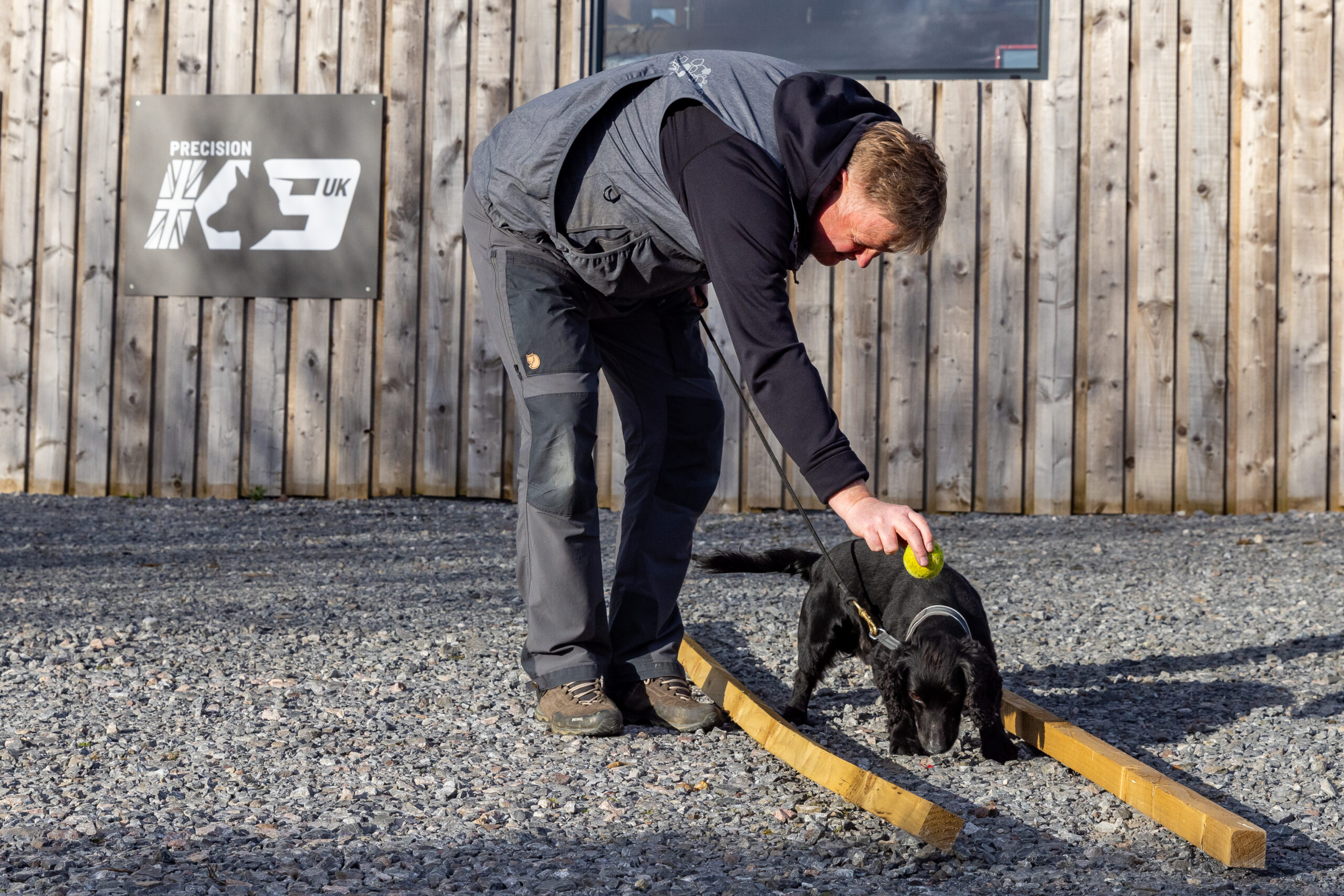
- Building the indication. The components of a clear, repeatable response, and how to put them together in the right order.
- Proofing. Methods that hold up whether you are working with a pet dog or an operational team.
- False indications. Finding the cause instead of correcting the symptom.
- Lazy indications. Recognising drift early and restoring the standard before it sets.
- Handler bias. The ways you are cuing your dog without knowing you are doing it.
Who it is for
Handlers, trainers, and anyone teaching scentwork or preparing to. This is run trainer to trainer, at operational level, and the techniques scale down to pet dog work as cleanly as they scale up.
What your dog needs
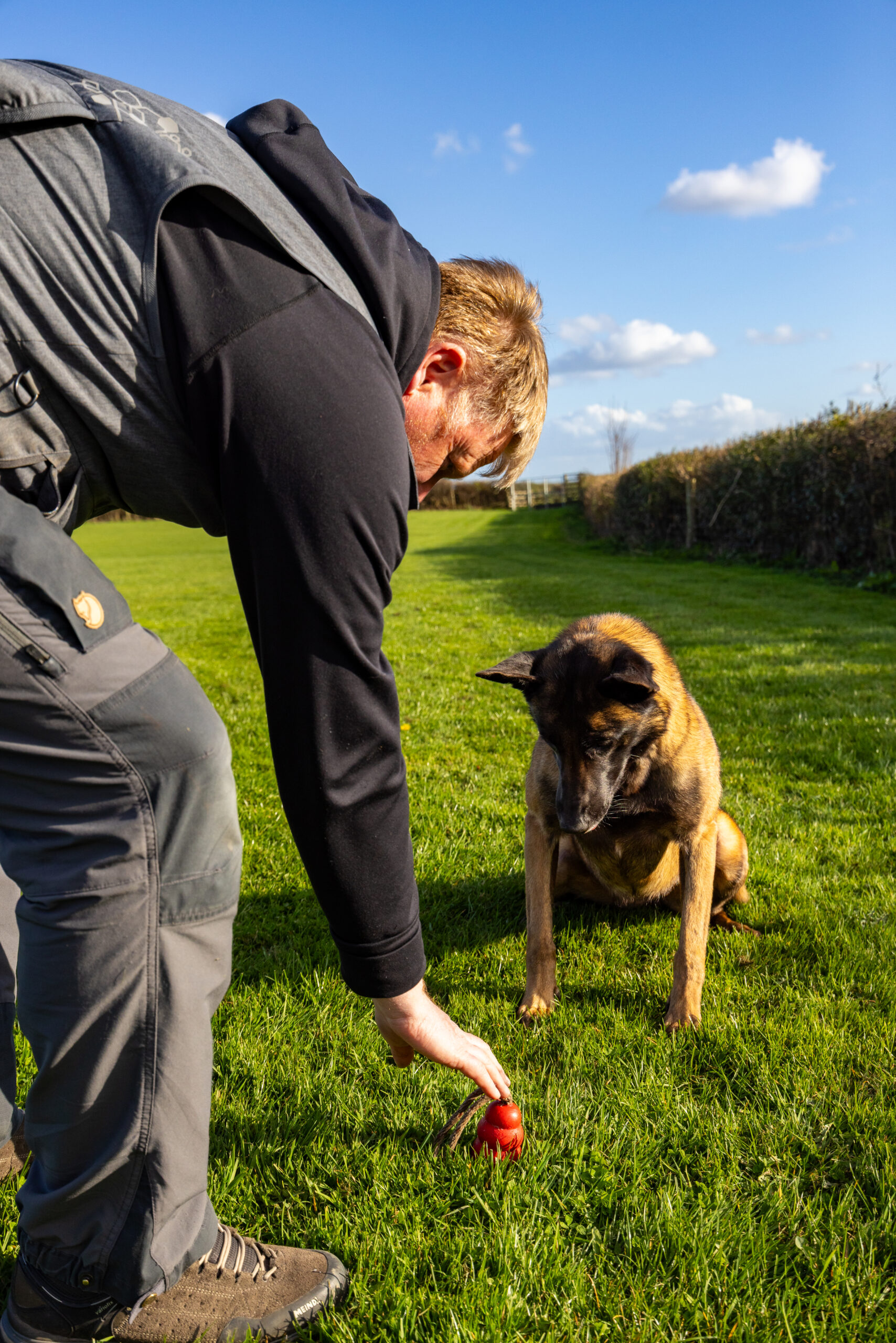
Your dog must be able to search for a Kong. An established indication is desirable but not required. If your dog is hunting, you have enough to work with on the day.
Your dog also needs to be level-headed and sociable, with people and with other dogs. Ten teams share the ground and dogs will be working close to one another through the day.
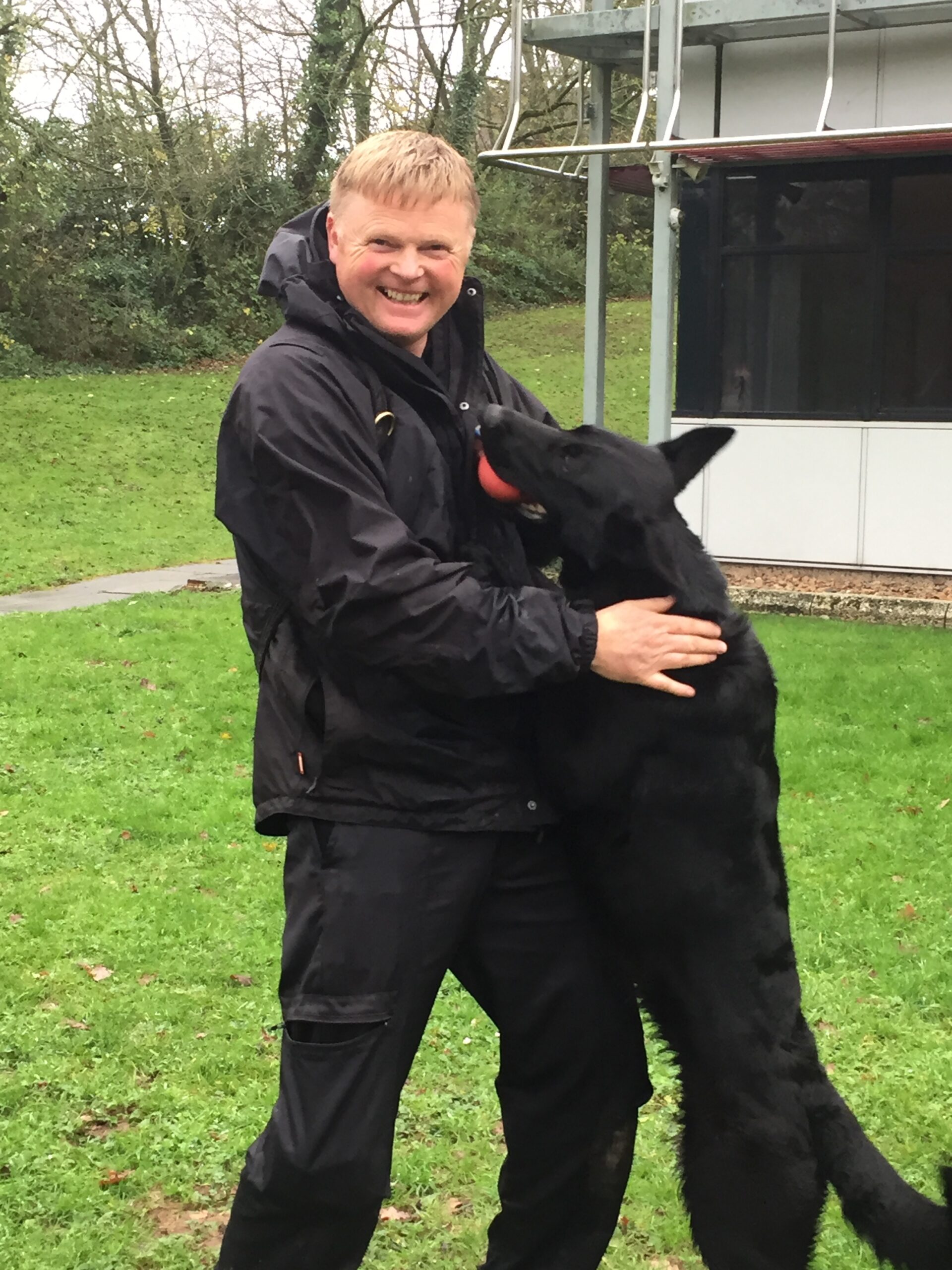
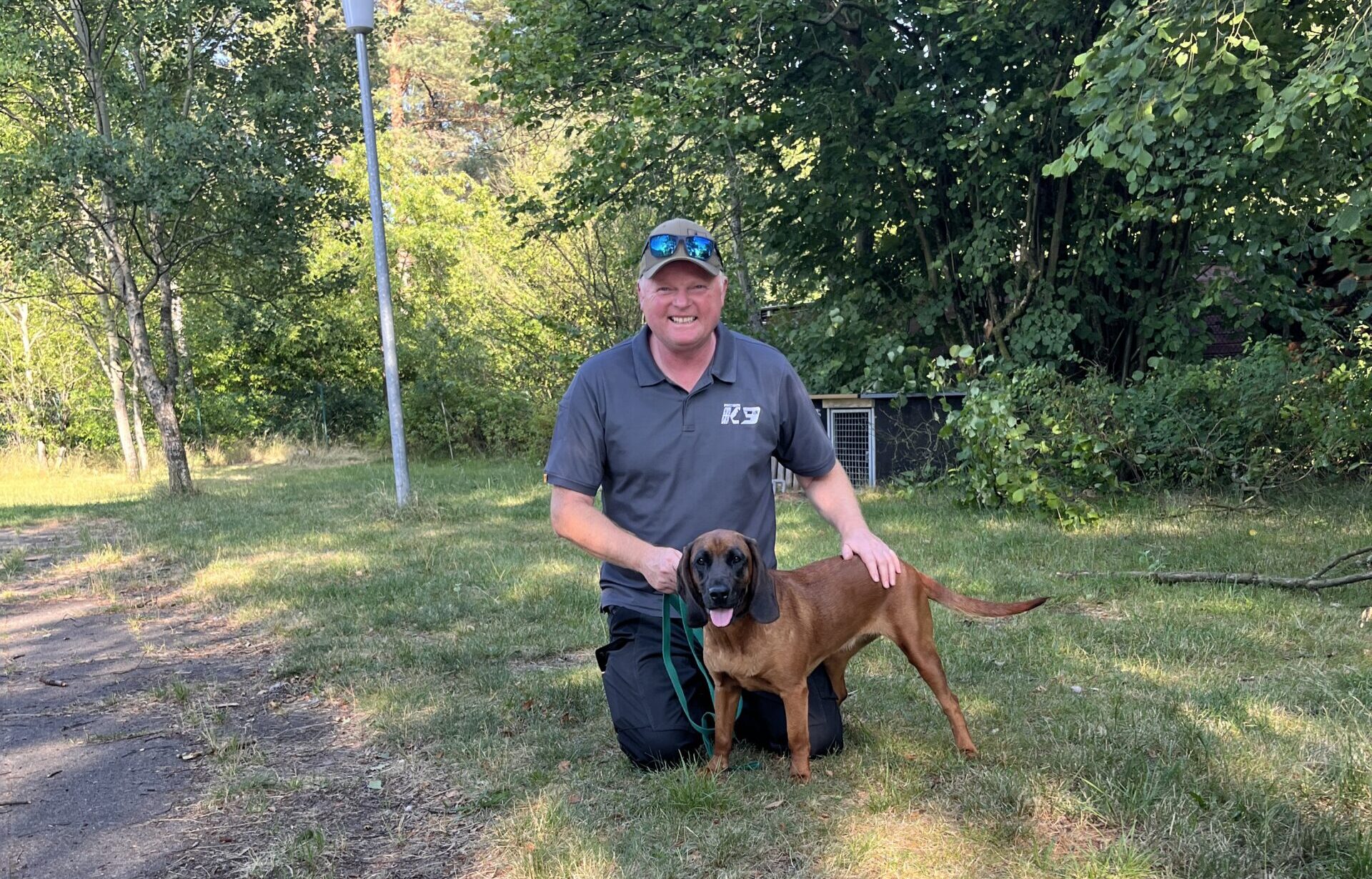
Graham Attwood
Former UK police dog handler and trainer. International keynote speaker. Subject matter expert in detection and digital evidence dogs. Graham introduced digital evidence detection to UK policing.
Ten places means you are not watching from the back of a room. You are working your dog, in front of him, with his attention on you.
WHAT TO BRING AND WHAT TO EXPECT
Handlers rotate through sessions across the day, so your dog will spend part of it settled in a vehicle. Bring a crate, or make sure your vehicle is set up for your dog to wait safely and comfortably. Check the forecast a couple of days before and dress for it. Waterproofs or sun cream, depending on what Devon decides to do. Also bring a harness and long line, water and a bowl, and your dog’s usual reward.
Saturday 26 September 2026
10:00 to 16:00
PrecisionK9UK Ltd, West Hele, Bovey Tracey, Devon, TQ13 9PP
Strictly ten handlers, one dog each
£150, paid in full at booking
Non-refundable, transferable to another handler
FAQ'S
Does my dog need previous scentwork experience?
Not formally. The requirement is that your dog will search for a Kong. If you already have an indication, bring it and we will sharpen it.
I am a pet owner, not a professional. Is this above me?
No. The material is taught at operational standard, which is exactly why it works so well applied to pet dogs. You will leave with methods most hobby handlers never see.
Can I come and watch without a dog?
No. Every place is a working place.
What happens if it sells out?
Get on the waiting list. If a place comes free, the list is contacted first.
What if I book and then cannot make it?
Places are non-refundable, but they are transferable. If something comes up, pass your place to another handler and let us know who is coming instead.